Think in phases rather than a single deadline
Water damage restoration does not have one reliable completion time. A small, accessible supply leak is different from water trapped beneath multiple flooring layers or damage spanning several rooms. The process may involve source repair, assessment, water removal, drying, cleaning, and reconstruction. Some tasks overlap, while others cannot begin until earlier work is complete. A useful schedule explains those dependencies instead of assigning a finish date before the building has been evaluated and the affected materials are understood.
Ask what the word finished means in any timeline you receive. It might mean standing water has been removed, drying equipment can leave, walls are ready for repairs, or all finishes have been restored. Those milestones describe different conditions. A room may look tidier before concealed materials have reached appropriate drying goals, and a dry room may still need reconstruction. Establishing the intended milestone helps you plan access, household routines, and temporary arrangements without assuming that one completed phase makes the whole project ready for normal use.
The initial conditions shape everything that follows
Before a meaningful schedule can be developed, the source needs to be understood and additional water entry controlled. Ongoing plumbing problems, repeated rain entry, or inaccessible shared building systems can complicate the sequence. Contractors also need to consider electrical hazards, structural concerns, and the possibility of contaminated water. Those issues can affect when work can safely begin and what methods are appropriate. Safety restrictions are part of responsible planning, not an indication that the visible puddle has been overlooked.
The initial assessment may reveal damage beyond the first room you noticed. Water can travel beneath flooring, behind baseboards, or through ceiling assemblies before becoming visible. Access for inspection may require moving belongings or coordinating with a property manager. Where older materials could contain regulated substances, evaluation may be needed before disturbance. Tell the project manager about locked spaces, previous renovations, and areas that are difficult to reach. Information about the building can prevent a schedule from being built around access that is not actually available.
- Confirm whether the water source is controlled or another trade is still needed.
- Identify rooms, storage areas, and neighboring spaces that may require assessment.
- Discuss access limits, household needs, and known material hazards before work is scheduled.
Drying depends on materials and measured progress
Removing standing water is not the same as drying the structure. Porous materials and layered assemblies can retain moisture after the surface looks normal. Hardwood, concrete, framing, insulation, and cabinetry behave differently, and coatings or tightly enclosed spaces can limit evaporation. The amount of water, its distribution, indoor conditions, and the ability to expose affected surfaces all influence the drying approach. A generic online timeline cannot account for those differences or replace measurements taken at your property.
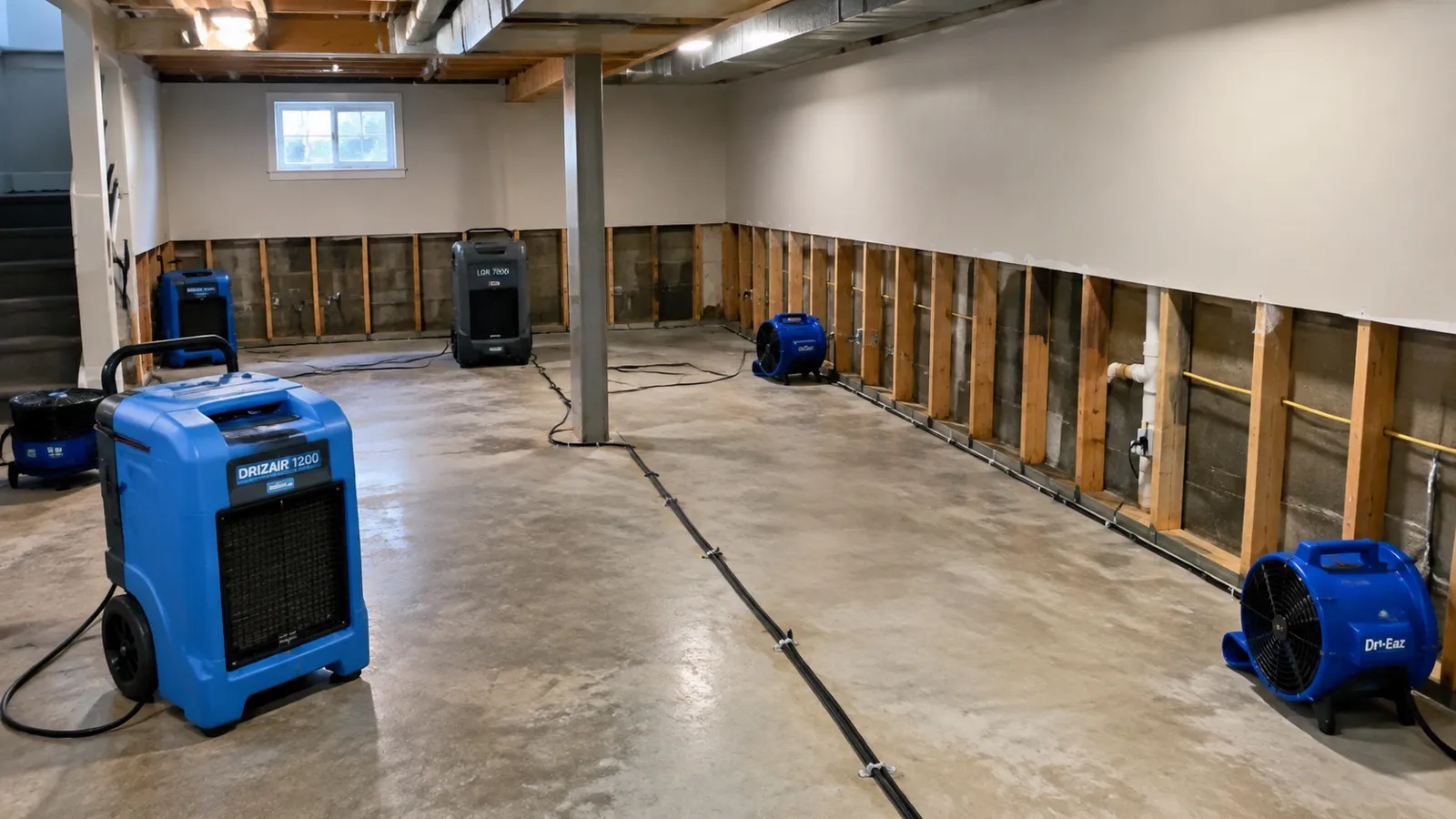
Professional drying uses an equipment plan and follow-up observations to assess progress. Moisture readings should be interpreted in context, including material type and comparison with appropriate unaffected areas where available. If progress stalls, the contractor may need to reassess access, equipment placement, remaining water sources, or whether a material can reasonably be saved. Ask what conditions must be met before equipment is removed. Drying should not end simply because a certain number of days has passed or because the sound of equipment has become inconvenient.
Cleaning and reconstruction have their own schedules
Once drying goals are met, there may still be surfaces to clean, odors to evaluate, and damaged materials to replace. Contamination can change which materials are suitable for cleaning and which require removal. A detached cabinet panel and an entire flooring assembly also represent very different repair tasks. Do not assume that removing drying equipment means the space is ready for furniture, paint, or normal occupancy. Ask which remaining restrictions apply and what work must happen before the area can be used as intended.
Reconstruction can involve material selection, ordering, trade coordination, inspections, and the normal curing or preparation requirements of building products. Matching existing finishes may take additional discussion, particularly when the original product is unavailable. Changes you request can alter the sequence as well. If you decide to upgrade a room during repairs, ask for an updated scope and schedule rather than treating the added work as part of the original completion estimate. Clear decisions help everyone distinguish unavoidable dependencies from changes introduced during the project.
Ask for milestones and updates you can use
A helpful progress update explains what has been completed, what remains uncertain, and which event allows the next phase to begin. For example, the next step may depend on confirming drying progress, receiving a material, or gaining access to an adjacent room. Ask for the next review point rather than an unsupported guarantee. If the plan changes, request a plain explanation of the finding or dependency behind the change and what it means for access to your home.
A project manager from our network works directly with the insurance company and handles documentation and billing. Insurance review and restoration scheduling are related administrative matters, but the insurer alone decides coverage. You decide what work to authorize and owe the deductible and non-covered work. Keep authorization questions separate from technical drying questions so neither gets lost. Independent, licensed restoration contractors in the network perform the work, and the people responsible for each phase should explain the conditions that affect their portion of the schedule.
Plan household routines without disrupting the work
Tell the project manager if the damage affects your only bathroom, an essential access route, a sleeping space, or equipment needed by someone in the household. Pets, children, mobility needs, and working from home can all influence practical arrangements. Ask where you may walk, whether doors should stay open or closed, and how equipment affects electrical use. Do not relocate fans, change drying settings, or unplug equipment without consulting the contractor unless an immediate safety issue requires you to leave and seek help.
For immediate danger, call 911. For help connecting with a project manager from our network, (908) 585-3686 is available 24/7; that availability is not an arrival-time guarantee. Keep a short list of upcoming decisions and a record of the latest project milestones. A realistic restoration timeline is a working plan informed by conditions, not a promise made from a photograph. Understanding the phases helps you ask better questions, prepare for disruption, and recognize meaningful progress even when the final finishes are not yet in place.